Project 4 / Scene Recognition with Bag of Words
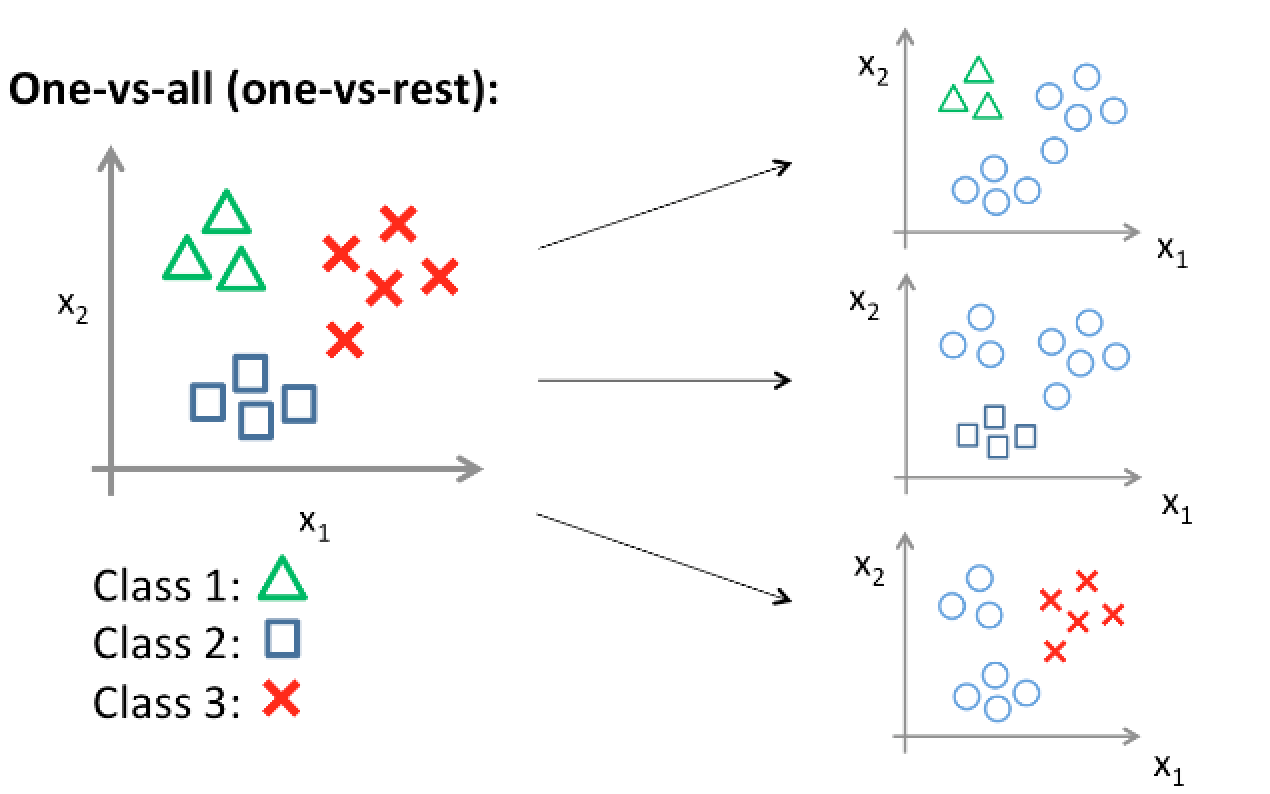
Above is an illustration of a 1-vs All SVM classifier
In this project, I implemented three different scene-recognition pipelines each with distinct feature detection and classification algorithms.
- Image scaling + nearest neighbors
- Bag of SIFT features + nearest neighbors
- Bag of SIFT features + linear SVM
Below the various algorithms, parameters used, and accuracies found are reported. The best results were achieved with a linear-SVM and bag of SIFT descriptors, but each step towards that is reported.
Tiny Images Descriptor
The tiny images descriptor was performed as a naive attempt at describing an image. It works by shrinking the image to a 16x16 pixels. Once this image is scaled down (the sampling rate is reduced) and fine features of the image are lost, but more prominent ones remain. This descriptor, as one can imagine, did not produce the best results. This is largely due to its lossy nature. It is worth noting that the resulting matrix was normalized with 0 mean and unit variance to reduce the effect of size.
Nearest-Neighbor Classifier
The nearest-neighbor classifier is often thought of as one of the simplest classifiers in existence, but it's surprising how well it can do by averaging over different values of k. It is likely that an increase in the value of k would increase accuracy as the classifier would overfit less to the training data and generalize better. In my implementation, I used a simple 1-NN classifier by using vl_feat's built-in distance function. Being that it was 1-NN, no parameters had to be adjusted - all 15000 training and testing inputs were used. Below is the result of a 1-NN with an accuracy of 0.225.
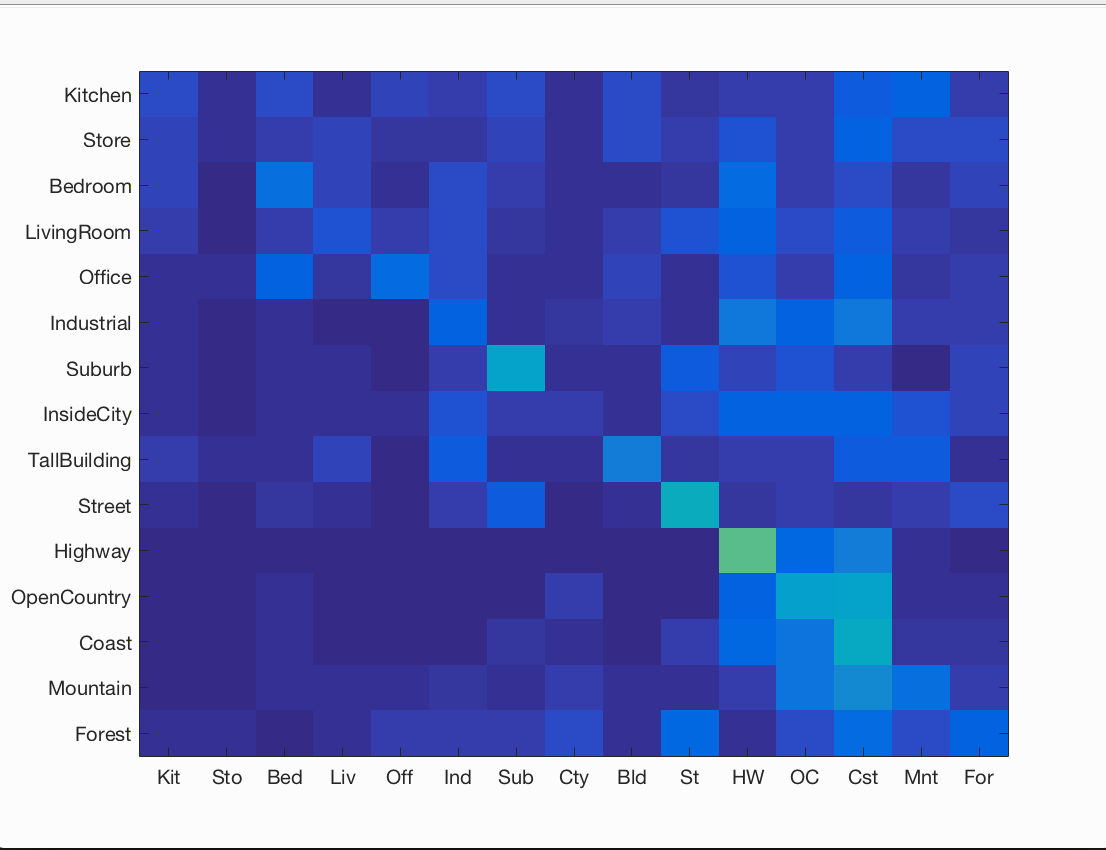
Accuracy (mean of diagonal of confusion matrix) is 0.225
Bag of SIFT Descriptor
A far better approach to describing an image relied on using a bag of SIFT descriptor. For each image, SIFT features are found using vl_feat's built-in function and are categorized into the 'visual words' with a histogram approach. For my histogram, I used weights for the top ~5 neighbors for each of the features, and I noticed a modest improvement in results. This is likely because more information about the picture is retained and less overfitting occurs (as with using a larger K value in KNN). Finally, the histogram was normalized and the result was stored appropriately. The parameter that affected performance the most significantly in this stage was the step_size of the SIFT feature extraction. With too large of a step size, the implementation would run quickly, however the accuracy would suffer tremendously. This is because we are effectively reducing the sampling rate and losing information from the image that may be vital to accurate classification. Increasing the number of features extracted from each image also improved the results by 2-3%. Additionally, the 'fast' flag was turned off to improve performance, but no significant improvement was observed. All in all, this SIFT descriptor approach was able to improve my accuracy with a simple 1-NN to 0.539!
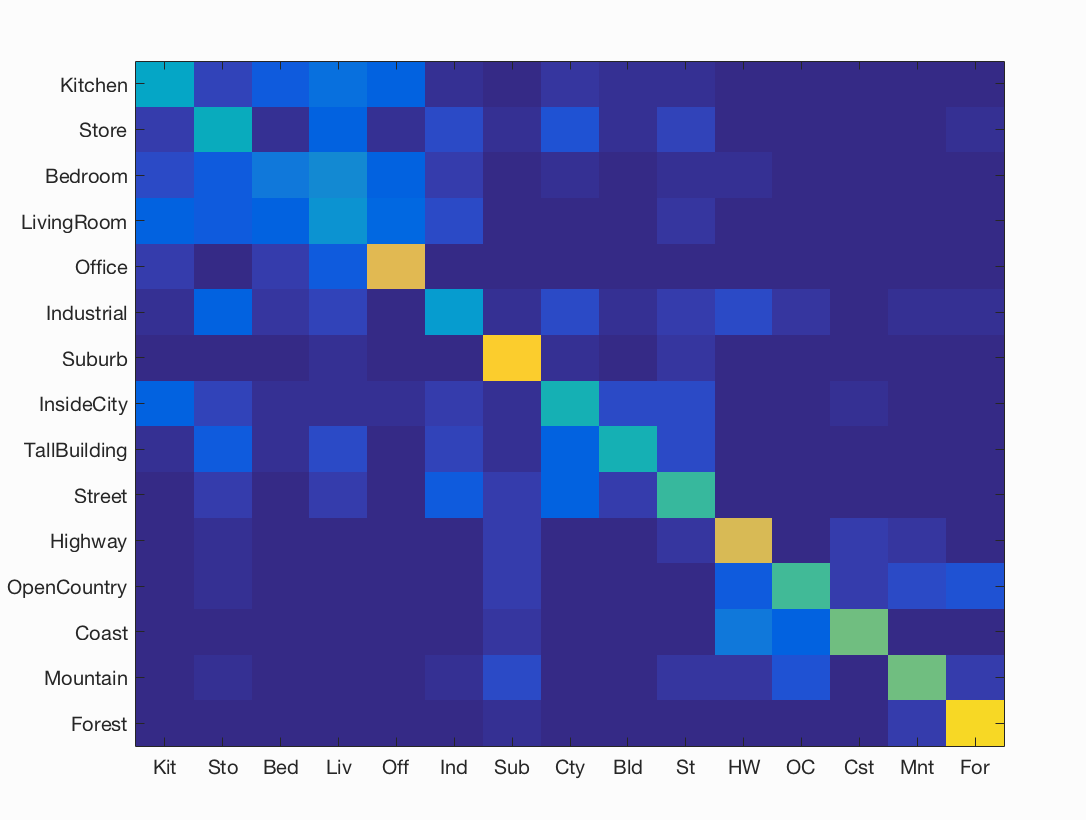
Accuracy (mean of diagonal of confusion matrix) is 0.539
Linear SVM Classifier
The last phase of this project involved moving from the nearest-neighbors classifier to a linear SVM. A linear SVM seeks to create a decision boundary represented by a linear function on the data, but unfortunately only works with two classes. To create a multi-class SVM, I employed the 1-vs all approach and created one SVM for each category and reported the winning categories. With this classifier, the biggest parameter that affected results was lambda. Lambda represents the level of regularization the classifier should have, and with my results, it seemed that a generally lower level of lambda resulted in higher test-accuracies. This is largely in part due to the fact that with larger values of lambda (1, 10) the model would overfit the training data and perform terribly on the testing data. The optimal lambda I found was 0.0001, which resulted in an accuracy of 0.694!
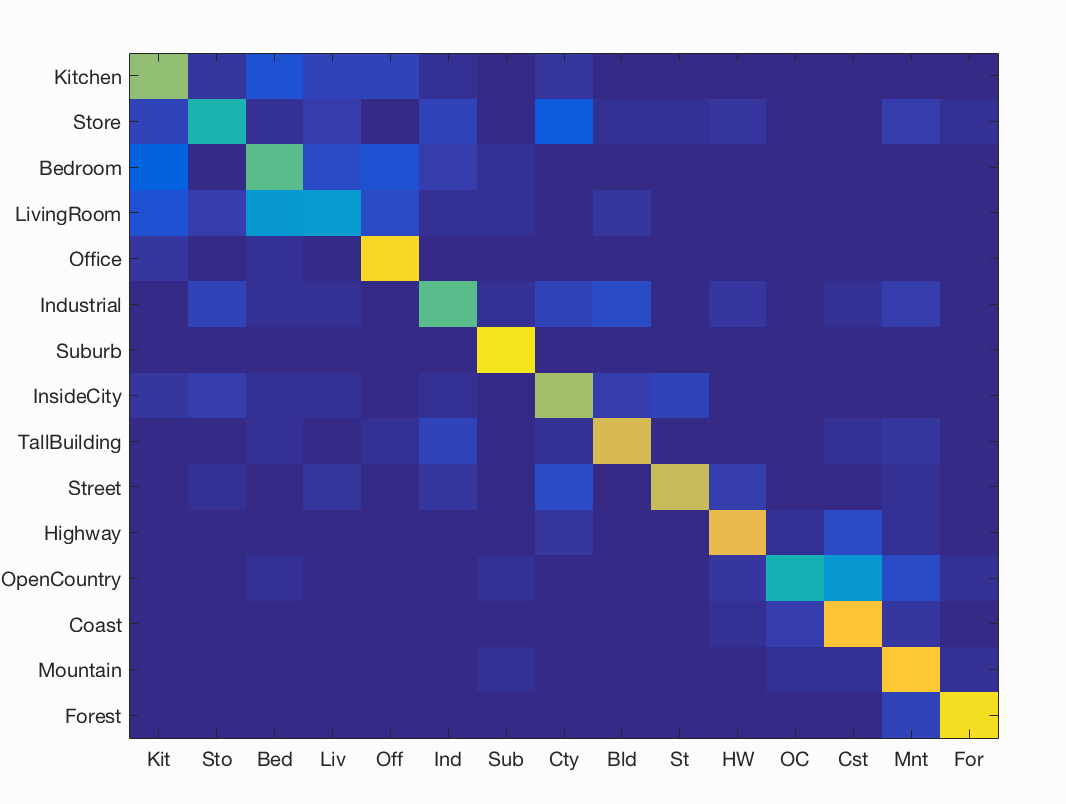
Accuracy (mean of diagonal of confusion matrix) is 0.694
| Category name | Accuracy | Sample training images | Sample true positives | False positives with true label | False negatives with wrong predicted label | ||||
|---|---|---|---|---|---|---|---|---|---|
| Kitchen | 0.630 | 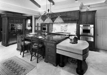 |
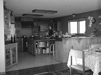 |
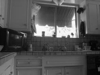 |
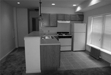 |
 Store |
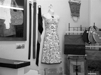 Store |
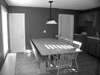 Office |
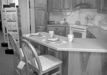 LivingRoom |
| Store | 0.460 | 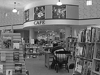 |
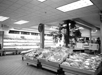 |
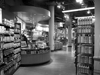 |
 |
 Industrial |
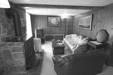 LivingRoom |
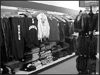 LivingRoom |
 InsideCity |
| Bedroom | 0.560 | 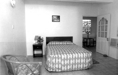 |
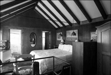 |
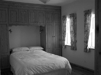 |
 |
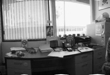 Office |
 Kitchen |
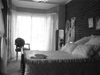 LivingRoom |
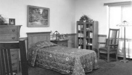 Suburb |
| LivingRoom | 0.330 | 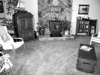 |
 |
 |
 |
 Kitchen |
 Store |
 Suburb |
| Office | 0.910 |  |
 |
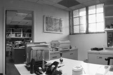 |
 |
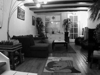 LivingRoom |
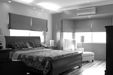 Bedroom |
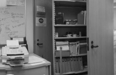 Kitchen |
| Industrial | 0.550 | 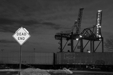 |
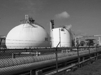 |
 |
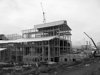 |
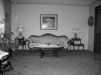 LivingRoom |
 TallBuilding |
 Coast |
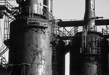 TallBuilding |
| Suburb | 0.940 | 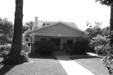 |
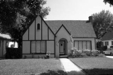 |
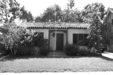 |
 |
 Store |
 Office |
 Coast |
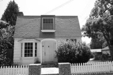 Industrial |
| InsideCity | 0.670 |  |
 |
 |
 |
 Store |
 Store |
 Industrial |
 Street |
| TallBuilding | 0.760 |  |
 |
 |
 |
 Mountain |
Industrial |
 Coast |
 Bedroom |
| Street | 0.720 |  |
 |
 |
 |
 InsideCity |
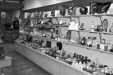 Store |
 InsideCity |
 InsideCity |
| Highway | 0.790 |  |
 |
 |
 |
 OpenCountry |
 InsideCity |
 Mountain |
 Coast |
| OpenCountry | 0.450 |  |
 |
 |
 |
 Mountain |
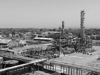 Industrial |
 Coast |
 Mountain |
| Coast | 0.850 |  |
 |
 |
 |
 OpenCountry |
 OpenCountry |
 OpenCountry |
 Highway |
| Mountain | 0.860 |  |
 |
 |
 |
 OpenCountry |
 Forest |
 Coast |
OpenCountry |
| Forest | 0.930 |  |
 |
 |
 |
 OpenCountry |
 Highway |
 Mountain |
 Mountain |
| Category name | Accuracy | Sample training images | Sample true positives | False positives with true label | False negatives with wrong predicted label | ||||
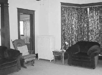
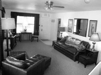
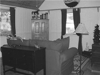
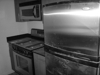
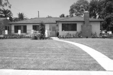
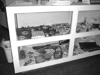
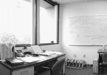
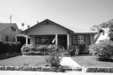
As seen above, the base-level implementation of this pipeline performs surprisingly well. Although the average accuracy of 69.4% may not seem high, the table above makes me more satisfied with my results. The false-positives and false-negatives being output are images even I might misclassify! With easily implementable functions such as cross-validation, the accuracy could also improve modestly.